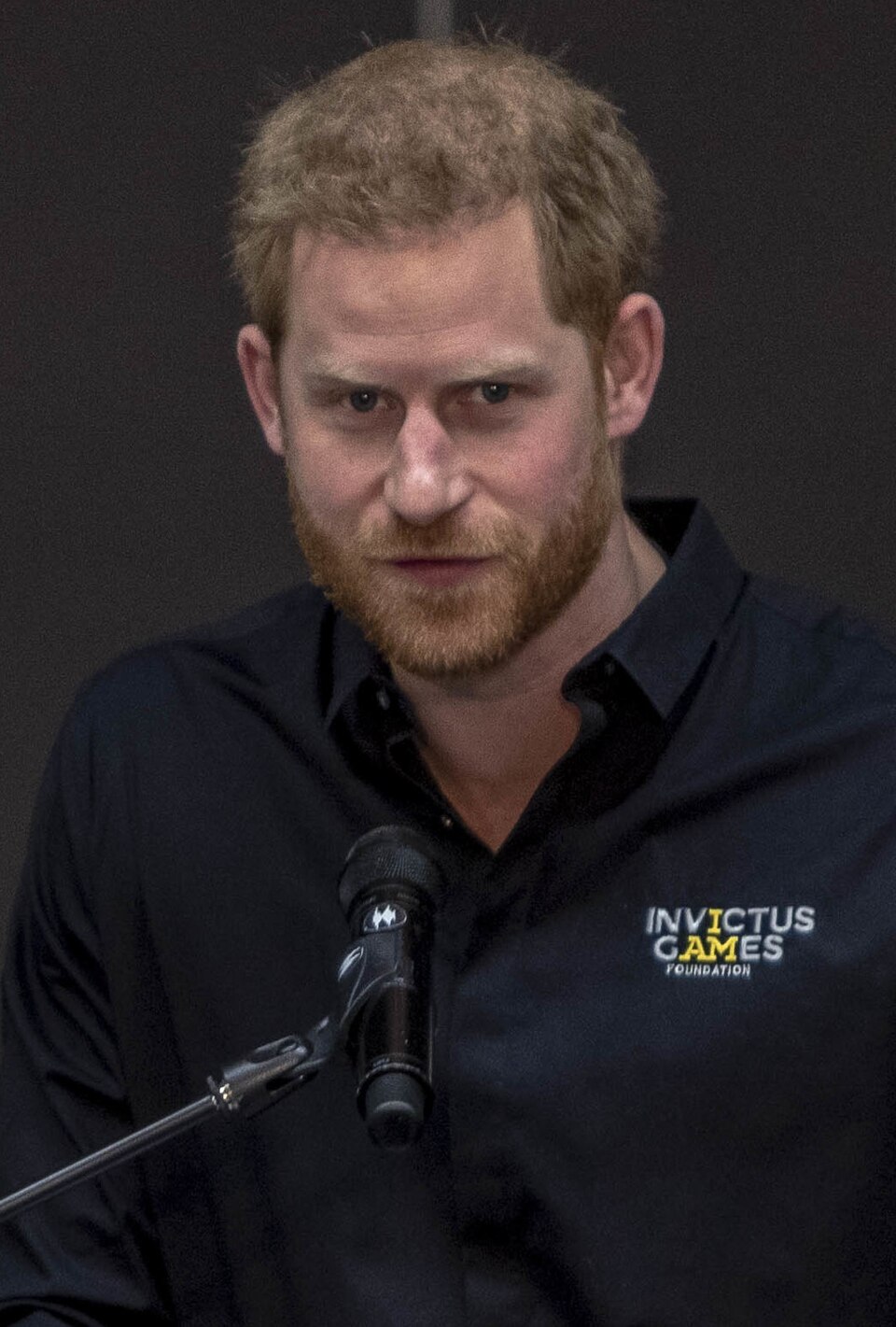
Introduction to the Duke's Legal Challenges
Prince Harry, the Duke of Sussex, has embarked on a series of significant legal battles, drawing considerable public and media attention. These cases underscore a deeply personal and principled stand against what he perceives as pervasive media intrusion and unlawful information gathering. Far from being isolated incidents, these lawsuits represent a sustained effort by the Duke to protect his privacy, challenge the ethics of the press, and hold powerful media organizations accountable for their past actions. Understanding the nuances of these legal skirmishes is crucial to grasping their potential impact not only on the Duke himself but also on the broader landscape of media law and celebrity privacy in the United Kingdom.
His legal crusade is not merely about individual grievances; it reflects a broader struggle concerning the boundaries of press freedom, the right to privacy, and the responsibilities of major news outlets. The Duke’s actions have sparked considerable debate, with some viewing him as a champion of privacy rights and others criticizing his approach to the media. Nevertheless, his commitment to these cases remains unwavering, leading to a complex and evolving legal narrative that continues to unfold in London's High Courts.
The Battle Against Tabloid Publishers
At the heart of many of the Duke of Sussex's legal challenges are allegations against prominent tabloid publishers, particularly Associated Newspapers Limited (ANL), the company behind the Daily Mail, Mail on Sunday, and MailOnline. Prince Harry has initiated multiple claims against ANL, citing various forms of unlawful information gathering and defamation. These allegations are not new in the context of UK media, with a history of phone-hacking scandals and privacy invasions that have plagued the industry for decades.
The Duke's claims against ANL encompass a range of serious accusations, including phone hacking, the use of private investigators to obtain confidential information, bugging of private residences and cars, and payments to police officials for sensitive details. He argues that these methods were employed to fuel sensationalized stories, often at the expense of his and his family's privacy and well-being. These cases represent a direct challenge to the practices that have historically allowed certain media outlets to operate with what critics describe as impunity, highlighting a systemic issue within the press.
Key Cases and Allegations
- Unlawful Information Gathering: One of the most prominent cases involves allegations of widespread unlawful information gathering, including the use of listening devices, "blagging" (impersonation to obtain information), and direct phone hacking. The Duke claims these activities targeted him and other high-profile individuals over many years, starting from his childhood. This particular case is a significant undertaking, involving detailed historical evidence and testimonies.
- Libel and Defamation: The Duke has also pursued libel claims against ANL, arguing that certain articles published by their outlets contained false and damaging accusations. These cases often focus on specific headlines or paragraphs that the Duke contends were defamatory and intended to harm his reputation. Such actions highlight the critical role of journalistic accuracy and the potential consequences of publishing unsubstantiated claims.
- Misuse of Private Information: Beyond hacking, the Duke has brought claims relating to the broader misuse of his private information, contending that personal details were exploited without consent for commercial gain and public consumption. This type of claim touches upon the fundamental right to privacy and the ethical responsibilities of those who disseminate personal data.
The legal process for these cases is often protracted, involving numerous hearings, applications, and the rigorous examination of evidence. The Duke's proactive stance in pursuing these claims demonstrates a deep-seated conviction that these practices must be stopped, not just for his own protection, but for the protection of others who might fall victim to similar media tactics. You can find more detailed information on specific developments in Prince Harry's Court Case: Latest Updates Explained.
Seeking Justice: Prince Harry's Motivation and Stance
Prince Harry's decision to engage in multiple, high-stakes legal battles is driven by a complex interplay of personal trauma, a desire for accountability, and a protective instinct for his family. He has consistently articulated that his motivation stems from a profound concern over the impact of media intrusion on his mental health, his relationships, and his ability to lead a normal life. This is not merely a celebrity seeking attention; it's a public figure, who grew up under intense scrutiny, attempting to reclaim a measure of control over his narrative and privacy.
The Duke often speaks of a "personal crusade" against the British tabloid press, motivated in part by the historical treatment of his mother, Princess Diana, and his conviction that unchecked media power can have devastating consequences. He has openly criticized what he views as a symbiotic relationship between certain sections of the press and the Royal Family, which he believes has often led to damaging and inaccurate reporting.
A Stance on Media Accountability
- Protecting Family: A primary driver for Prince Harry is the protection of his wife, Meghan, and their children. He has frequently stated his fear that history could repeat itself, referencing the intense media scrutiny that ultimately contributed to his mother's tragic death. His legal actions are thus seen as a proactive measure to establish boundaries and deter similar treatment.
- Setting a Precedent: Beyond personal grievances, the Duke aims to set a legal precedent. By challenging powerful media conglomerates, he hopes to contribute to a shift in journalistic practices, fostering a more ethical and less invasive media environment. His cases, if successful, could empower other individuals to hold the press accountable.
- Challenging the Status Quo: Prince Harry's legal battles are also a direct challenge to the traditional relationship between the Royal Family and the press. By taking legal action, he has broken from a long-standing "never complain, never explain" approach, opting instead for direct confrontation in the courts. This bold strategy has redefined the terms of engagement and sparked broader conversations about the monarchy's interaction with media. You can delve deeper into these dynamics in Unpacking Prince Harry's Royal Family Lawsuit News.
His outspoken criticism of the press extends to arguments about the spread of misinformation and the erosion of trust in journalism. He believes that by pursuing these cases, he is not only seeking justice for himself but also advocating for a more truthful and responsible media landscape for all.
Broader Implications and Future Outlook
The Duke of Sussex's legal battles carry significant broader implications, extending far beyond the immediate parties involved. These cases are poised to influence the future of UK media law, privacy rights, and the relationship between public figures and the press. The outcomes could redefine acceptable journalistic practices and establish new precedents for accountability.
One of the most profound potential impacts is on the balance between press freedom and individual privacy. If Prince Harry's claims are largely successful, they could lead to a stricter interpretation of privacy laws, making it more challenging for media outlets to engage in certain types of investigative journalism or reporting on public figures' private lives. Conversely, if his claims face significant setbacks, it could reinforce existing media practices.
Legal Precedent and Media Landscape
- Strengthening Privacy Laws: Victories for the Duke could strengthen the application of Article 8 of the European Convention on Human Rights (right to respect for private and family life) within UK law, making it easier for individuals to protect their personal information from media exploitation.
- Increased Scrutiny on Media Practices: These cases inevitably place a spotlight on newsroom ethics, editorial decision-making, and the methods used to gather information. This heightened scrutiny may compel media organizations to review and reform their internal practices, particularly concerning the use of private investigators and the verification of sources.
- Financial Ramifications: Legal battles of this magnitude are incredibly costly, both for the claimants and the defendants. Significant damages or legal fees awarded could serve as a deterrent for future unlawful information gathering, impacting the financial models of news organizations.
- Public Perception: The ongoing legal saga is also shaping public perception of the Royal Family, the media, and the justice system. It encourages a critical examination of how news is produced and consumed, fostering a more discerning audience.
The future outlook for these cases remains uncertain, given the complexities of litigation and the deep pockets of the media organizations involved. They are often protracted and emotionally draining, requiring immense personal commitment. However, regardless of the ultimate judgments, Prince Harry's legal actions have already ignited crucial conversations and firmly positioned him as a leading advocate for media reform and privacy rights. His determination ensures that these battles will continue to be a defining feature of his public life, leaving a lasting legacy on the intersection of royalty, celebrity, and the press.
Conclusion
Prince Harry's extensive legal battles are a testament to his unwavering commitment to privacy and accountability in the face of persistent media intrusion. His lawsuits against various tabloid publishers represent more than just personal grievances; they are a public stand against practices he believes have caused immense harm and violate fundamental rights. From allegations of phone hacking to claims of defamation, these cases delve into the core of media ethics and the boundaries of press freedom. While the legal journey is undoubtedly challenging and ongoing, the Duke's actions are already reshaping discussions around media responsibility, influencing legal precedents, and sparking crucial conversations about how public figures are treated by the press. The outcome of these significant legal endeavors will undoubtedly have a profound and lasting impact on the UK media landscape for years to come.