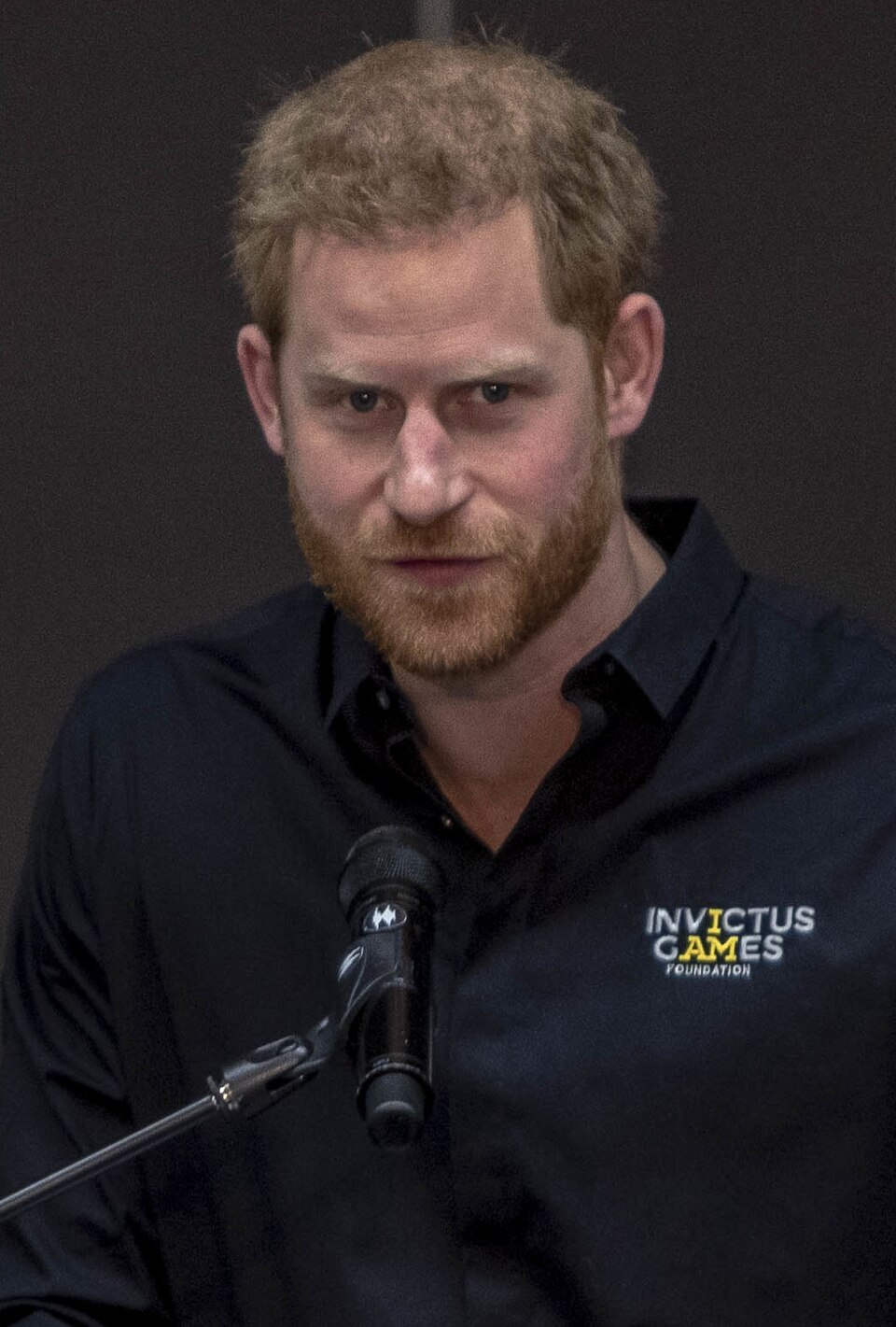
Prince Harry, the Duke of Sussex, has been a central figure in numerous high-profile legal battles against various arms of the British media. His sustained campaign against what he perceives as unlawful information gathering and defamation by tabloid newspapers has garnered significant global attention, marking a dramatic departure from the traditional royal approach to press relations. These court cases are not merely personal grievances; they represent a significant challenge to the practices of the British press, sparking wider debates about privacy, media ethics, and the balance of power between public figures and powerful media corporations.
The Duke of Sussex's Stance Against the Press: A Long-Standing Conflict
For years, Prince Harry has been vocal about the intrusive nature of the tabloid press and its impact on his life and the lives of those close to him. This deeply rooted conviction stems from decades of intense media scrutiny, which he has consistently argued crossed ethical and legal boundaries. His legal pursuits are not a sudden impulse but rather the culmination of a long-standing desire to hold media outlets accountable for their reporting practices.
The Duke’s determination became particularly pronounced after his marriage to Meghan Markle, the Duchess of Sussex, and their subsequent decision to step back as working members of the Royal Family. He has frequently drawn parallels between the treatment of his wife by the press and the relentless harassment experienced by his late mother, Princess Diana, fueling his resolve to instigate systemic change within the media landscape. His argument is clear: the current state of press regulation, or lack thereof, allows for a culture of sensationalism and intrusion that is both damaging and, at times, unlawful.
His legal strategy reflects a deep commitment to not only protect his own privacy but also to set a precedent that could safeguard others from similar incursions. This proactive stance contrasts sharply with the historical "never complain, never explain" mantra often associated with the monarchy, highlighting Prince Harry's unique position and willingness to challenge the status quo directly through the courts.
Key Legal Battles: Unpacking the Major Cases
Prince Harry's legal calendar has been packed with cases, primarily targeting Associated Newspapers Limited (ANL), publishers of the Daily Mail, Mail on Sunday, and MailOnline. These cases typically fall into two main categories: claims of unlawful information gathering (including phone hacking) and libel. For a deeper dive into the broader context of these claims, you might want to read Duke of Sussex Legal Battles: What You Need To Know.
- Unlawful Information Gathering (UIG) Claims:
Prince Harry is among several high-profile individuals alleging that ANL unlawfully gathered information through methods such as phone hacking, hiring private investigators to tap phones, "blagging" information (impersonating individuals to obtain private data), and even bugging cars. The Duke's case against ANL at the High Court in London is particularly significant as he is one of the claimants in a group action. He has alleged that these practices were widespread and enabled the publication of numerous articles that contained private information, causing him significant distress and invading his personal life. The legal proceedings have involved a detailed examination of journalistic ethics and the extent to which media outlets pursued stories through illicit means.
Latest Updates: In a notable development, the High Court has been scrutinizing preliminary issues, including whether the claims were brought too late. Prince Harry himself gave evidence, a rare occurrence for a royal, asserting that he was unaware of the full extent of the alleged UIG practices until recently, which is crucial for the statute of limitations argument. The court's decisions on these preliminary points will determine if the cases can proceed to a full trial, which could be a landmark moment for press accountability in the UK.
- Libel Claims:
The Duke has also pursued libel actions against ANL for articles he claims were defamatory and presented false information. One prominent case involved an article in the Mail on Sunday that alleged he had "lied" and sought confidentiality over a separate legal case concerning his security arrangements in the UK. Prince Harry argued that the article caused serious damage to his reputation, implying dishonesty and a lack of integrity.
Latest Updates: In this specific libel case, Prince Harry was granted a summary judgment, meaning the judge ruled in his favor without a full trial, stating that the article was indeed defamatory. The focus then shifted to the amount of damages ANL would have to pay. This victory was seen as a significant win for the Duke, reinforcing his stance against what he deems as reckless and untruthful reporting. Other libel claims have also been pursued, targeting specific articles that he believes misrepresented his actions or statements, reflecting a broader strategy to challenge factual inaccuracies published by the press.
These legal challenges highlight the Duke's resolve to actively push back against the practices of specific media entities. For further context on his wider legal battles involving the Royal Family, consider reading Unpacking Prince Harry's Royal Family Lawsuit News.
Why These Cases Matter: Beyond Personal Grievance
Prince Harry's court cases extend far beyond his personal battle for privacy. They carry significant implications for the future of journalism, media regulation, and the public's right to privacy in the UK. His willingness to confront powerful media conglomerates sets a precedent for other public figures and even ordinary citizens who feel aggrieved by press intrusion.
- Redefining Press Standards: These cases force a critical re-evaluation of journalistic ethics and the boundaries between public interest and private life. If the courts find that unlawful information gathering was widespread, it could lead to stricter regulations and a shift in how news is gathered and reported.
- Privacy vs. Public Interest: The legal arguments often pit the right to privacy, as enshrined in human rights law, against the concept of public interest journalism. Prince Harry argues that much of the intrusive reporting serves no genuine public interest and is merely sensationalist. The outcomes of these cases could help clarify this often-contested line.
- Accountability of Media Corporations: By pursuing these actions, Prince Harry is directly challenging the power and perceived impunity of large media organizations. Successful judgments against them could lead to significant financial penalties and, more importantly, a reputational blow that might encourage more responsible reporting practices.
- Impact on the Monarchy: These cases inevitably shed light on the Royal Family's relationship with the media, both historically and in the modern era. They signal a more aggressive approach to protecting royal privacy, contrasting with previous generations.
Practical Insight: For individuals feeling their privacy has been breached by media, these cases illustrate the complexity and cost of pursuing legal recourse. They underscore the importance of documented evidence, expert legal counsel, and the resilience required for such battles.
Tactical Insights from Prince Harry's Legal Strategy
Prince Harry's approach to these lawsuits is noteworthy for several reasons:
- Direct Engagement: Unlike previous generations of royals, he is actively and personally engaging with the legal process, including giving sworn testimony. This direct involvement adds weight to his claims and demonstrates his conviction.
- Targeted Approach: His focus on specific media groups, particularly ANL, indicates a strategic decision to tackle what he perceives as the most egregious offenders, rather than a scattergun approach.
- Long-Term Commitment: These are not quick cases; they are protracted legal battles spanning years and incurring significant costs. His willingness to commit to the long haul signals a deep-seated determination for justice and change.
- Leveraging His Platform: While contentious, his public profile allows these cases to gain significant media attention, ensuring the issues he raises are debated on a global stage.
Latest Developments and What to Expect Next
The legal landscape surrounding Prince Harry's claims is continually evolving. Most recently, considerable attention has been on the preliminary hearings concerning the statute of limitations in the unlawful information gathering cases. A crucial ruling on whether these cases can proceed to a full trial is anticipated, which will be a significant milestone. If successful, Prince Harry and other claimants could move towards proving the alleged hacking and UIG methods in court, potentially exposing further details of journalistic practices.
Beyond these immediate legal hurdles, the financial aspect of these cases is substantial. Legal costs for both sides are immense, running into millions of pounds. While Prince Harry has indicated he is funding his cases, the sheer scale of the expenditure underscores the high stakes involved. Damages awarded, should he be successful in all his claims, could also be significant, though the Duke has often stated his motivation is not primarily financial, but rather to establish accountability and secure change.
Looking ahead, we can expect continued rigorous legal arguments and potentially lengthy appeals, regardless of the initial rulings. These cases are likely to remain in the public eye for the foreseeable future, shaping discussions around media freedom, personal privacy, and the responsibilities of the press in a democratic society. The outcomes could redefine the relationship between public figures and the press for decades to come.
Expert Tip: Keep an eye on the High Court's judgments on preliminary issues. These often dictate the trajectory of complex cases and can provide crucial insights into the judge's interpretation of evidence and legal precedents.
Prince Harry's extensive court cases represent a pivotal moment in the ongoing debate about media accountability and privacy rights. His unwavering commitment to challenging the traditional power structures of the British tabloid press has made him a controversial figure, but also a formidable force in advocating for greater transparency and ethical conduct in journalism. As these cases unfold, their long-term implications for both the Royal Family and the broader media landscape in the UK will undoubtedly be profound, shaping future legal precedents and public discourse for years to come.